

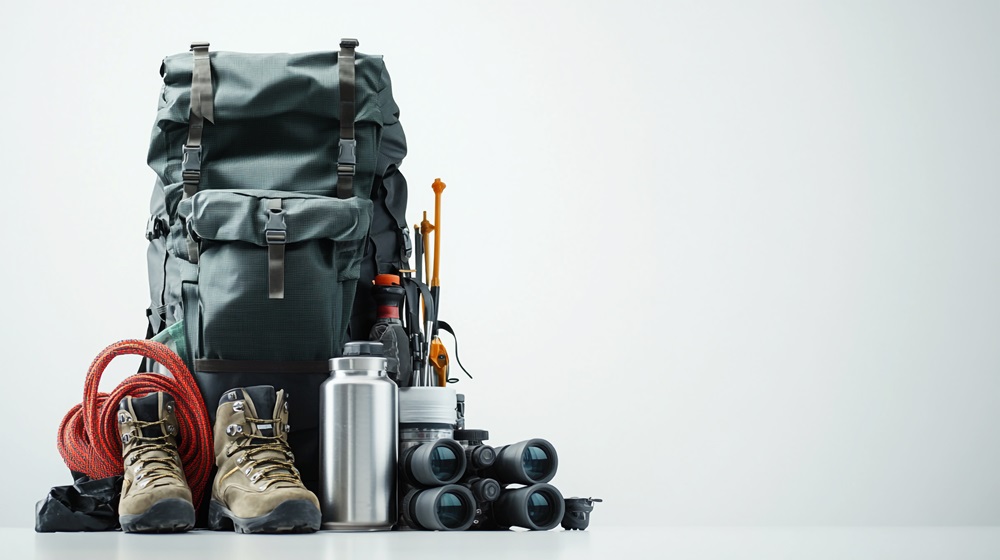
Backpacks are important in traveling, education, and outdoor. Some users may not be able to access new backpacks due to the high cost of this product. Second version alternatives have been viewed as a way of saving money without losing functionality by many.
It is not the newness of the brand, but more about condition, capacity and comfort. The idea that used backpack can be reliable may be true provided that these are chosen and analyzed. When purchasing, buyers should verify wear, structural and usage.
With an appropriate choice, chances of failure or discomfort are mitigated. Knowledge on materials and design enhances the ability to trust in purchase. Properly preserved backpacks enable the day-to-day usage. Considerable selection would guarantee satisfaction and money value.
Assessment Of Backpack Condition
Measuring condition is also important to safety and life. Zippers, buckles, and straps on the check that would work smoothly. Look into sewing up of tears, loose threads, or loose seams. Check cloths on holes, stains, or water resistance damage.
Shoulder straps and back panels should have cushioning in the form of padded sections. Organizers and internal compartments are to be well preserved and operational. Cosmetic issues that are minor and do not lead to performance problems should be avoided, but the functional defect needs to be avoided.
Hooks or clips should be made of metal that is rust-free. Weight carrying capacity of the backpack is properly tested. Proper evaluation helps to avoid premature replacement or failure.
Selling Backpack To Purpose
The appropriate backpack is based on how he or she intends to use it and what he or she needs. The selection of used backpacks must include the aspect of the type of activity, duration, and load needs. School packs should have several pockets and be sturdy so that they can be used on a daily basis.
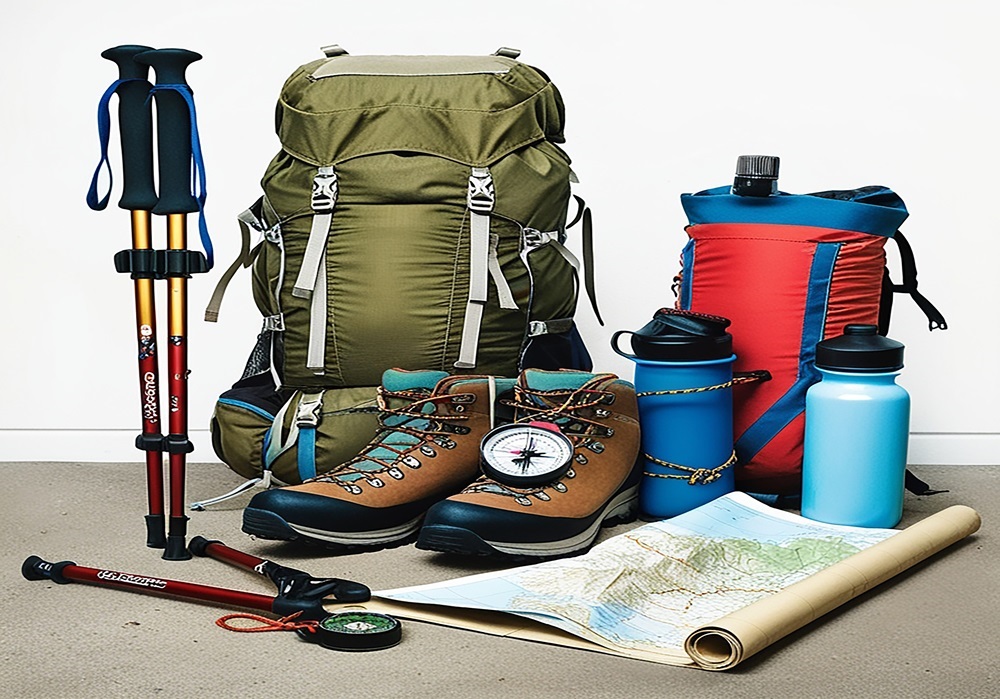
Backpacks used in traveling should have zippers that are very secure, areas that are locked, and they should have the right capacity. The hiking backpacks put more emphasis on the comfort, weight distribution, and ventilation.
The multi-purpose backpacks can be flexible at the expense of special features. Having knowledge of individual needs eliminates stress and unhappiness. It enhances usability and user satisfaction through adequate matching. Choosing an appropriate backpack is a good guarantee of proper and efficient performance in the long run.
Assuring Safety And Operability
The use of a backpack needs safety and usability. Intended load should be supported without slipping by straps and buckles. Zippers are to open and close without problems. Embroidery must not tear when put under strain.
Ergonomics demand that the back and shoulder areas should not be padded off. Any disintegrated parts can be a threat to safety and comfort. Professional modifications or repairs can be needed.
Adequate functionality will avoid harm and tension of use. Properly taken care of used backpacking gear could as well be as reliable as their new counterparts. Before daily use it is always good to test the confidence and also to assure reliable usage.
Obtaining Competent Backpacks
Confidence in purchases is enhanced by the reliability sourcing. Specialty stores usually examine the used backpacks with faults. Marketplaces involving the Internet need thorough scrutiny of the sellers and specific photographs.
Local swap events are those that permit physical inspection. Return policies are protection against unknown problems. Online sellers that have been reputed and verified reviews mean reliability. History of the previous use records give credence.
The responsible sourcing will guarantee quality, safety, and the consistency of the performance. Certified merchants minimize the chances of faulty or inefficient backpacks. Considered choice makes the use of the backpack economical and reliable.
Conclusion
When choosing a used backpack of good quality, it must be planned and assessed properly. The overall performance is determined by condition, purpose and functionality. The correct assessment eliminates financial risk and avoids discomfort.
Approaching the needs of users by matching backpacks with their needs makes them comfortable and practical. Before each use, safety inspection should be done. Sourcing responsibility instils buyer trust. Economical choices enable allocation of budget towards other basic needs.
Good quality backpacks complement every day or other leisure activities. The decisions that are made are informed; that maximizes value, durability, and satisfaction. Considerable choice allows all users to have guaranteed long-term performance.
Frequently Asked Questions
Why do people choose used backpacks instead of new ones?
Ans: New backpacks can be expensive. Used alternatives offer a way to save money while maintaining essential functionality, capacity, and comfort for travel and education.
What are the key aspects to check when assessing a used backpack’s condition?
Ans: Examine zippers, buckles, straps for smooth function, check stitching and fabric for tears or damage, and verify padding and internal compartments are operational.
How do you select a used backpack that matches your specific needs?
Ans: Match the backpack to your activity (school, travel, hiking), duration, and load needs. Consider specific features like pockets, security, comfort, and ventilation.
What safety considerations are important for used backpacks?
Ans: Ensure straps, buckles, and zippers operate smoothly, check for any disintegrated parts, and confirm the backpack can properly support its intended load safely.
Where can reliable used backpacks be found?
Ans: Look for inspected gear at specialty stores, scrutinize sellers on online marketplaces, attend local swaps for physical inspection, and favor reputable sellers with good reviews.
