

When you’re shopping for Maevn scrub pants, the pocket count isn’t just about storage—it’s about survival during your shift. You need different pocket setups depending on where you work.
An ER nurse rushing between traumas has totally different needs than an OR nurse maintaining a sterile field or an ICU nurse managing long-term patient care.
What Makes Pocket Placement Matter in Medical Settings?
You can’t just throw stuff anywhere when you’re working. Each healthcare environment has specific demands that affect how you use your pockets throughout the day.
In emergency rooms, you’re constantly moving. You need instant access to tools without digging around.
One study from the Journal of Emergency Nursing found that ER nurses walk an average of 4-5 miles per 12-hour shift. That’s a lot of movement, and every second you spend searching for supplies is time away from patients.
Operating rooms are different. Sterility rules everything. You can’t have pockets overflowing with random items that might contaminate the field.
The Association of Perioperative Registered Nurses (AORN) guidelines emphasize that anything you carry should be minimal and necessary.
ICU work sits somewhere in between. You’re with patients for longer periods, managing complex medications and equipment. You need organization more than speed.
ER Work: Speed and Quick Access
You need 6-8 pockets minimum for emergency department work.
Here’s what you’re typically carrying during an ER shift:
- Trauma shears and penlight (always)
- Multiple pens (because you’ll lose at least two)
- Alcohol swabs and tape
- Personal phone for communication
- Bandage scissors
- Hemostats or Kelly clamps
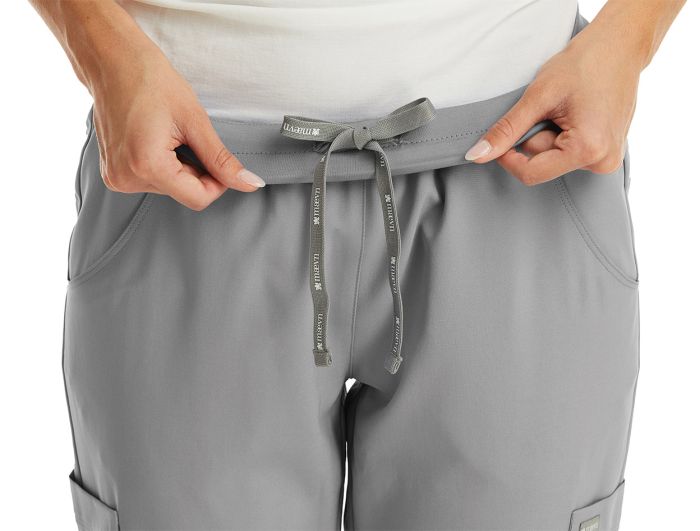
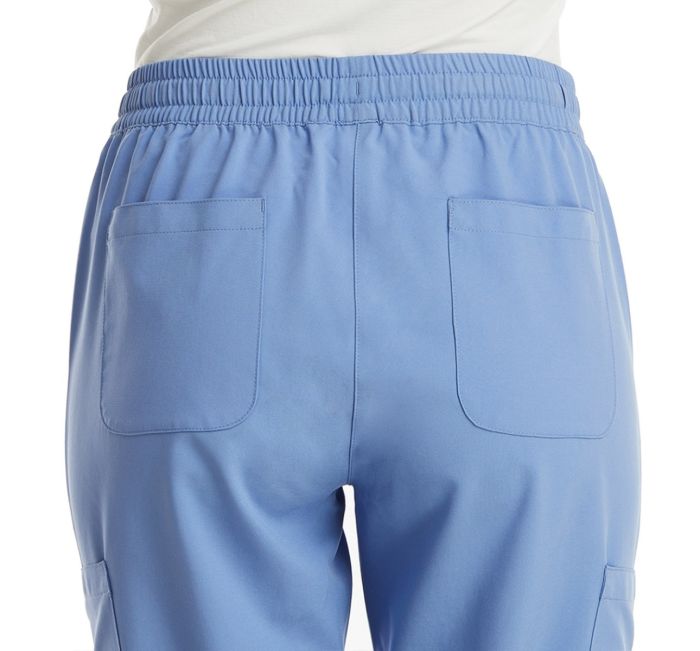
The best setup includes two large cargo pockets on the thighs, two front pockets, and at least two back pockets. Cargo pockets are essential because you need to grab things without looking down or stopping your movement.
One ER nurse from Massachusetts General Hospital mentioned in a nursing forum that she specifically looks for pants with reinforced pocket openings because she’s constantly reaching in and out during traumas. Regular pockets wear out fast.
Side note: Zippered pockets help. When you’re running or bending over patients, things fall out. A zippered back pocket for your phone and ID saves you from losing them during a code.
OR Settings: Less Is Actually More
You only need 4-6 pockets for operating room work.
Sterile technique changes everything. You’re scrubbing in and out, changing into sterile gowns, and you can’t have bulky pockets interfering with your movements around the surgical field.
Most OR nurses keep their maevn scrub pants simple:
- Front pockets for basics (pen, notepad)
- One secure back pocket for phone and locker key
- Maybe one small cargo pocket for personal items
The thing about OR work is that you’re not carrying patient care supplies in your pockets. Everything you need is on sterile trays or in the room. Your pockets hold your stuff, not medical equipment.
According to AORN standards, you should avoid carrying unnecessary items that could fall out or create contamination risks. Some surgical centers actually have policies limiting what you can keep in your pockets while in the OR.
Fabric matters here, too. You want a thinner pocket construction so your pants fit smoothly under surgical gowns without bunching up.
ICU Roles: Organization Over Speed
You need 5-7 well-organized pockets for intensive care work.
ICU nursing is about sustained attention to detail. You’re managing complex medication schedules, monitoring multiple lines and machines, and documenting everything constantly.
Your pocket setup should support organization:
| Pocket Location | What to Store |
| Right cargo | Tape, alcohol wipes, saline flushes |
| Left cargo | Pens, a small notebook, a calculator |
| Front pockets | Scissors, hemostats, penlight |
| Back pocket (zippered) | Phone, personal items |
ICU nurses benefit from compartmentalized pockets—smaller dividers inside larger cargo pockets. This keeps IV caps separate from pens and prevents you from mixing clean and used supplies.
Research from the Critical Care Nurse journal shows that ICU nurses spend about 25% of their shift on documentation. You need pockets that help you stay organized so you’re not constantly returning to supply rooms.
One practical tip: avoid super deep pockets. When you’re leaning over bed rails, adjusting ventilator settings, deep pockets mean things slide down where you can’t reach them easily.
Does Pocket Material Change Anything?
Yes, and it’s more important than you think.
Reinforced pockets with ripstop fabric or double stitching last longer when you’re carrying heavy items like multiple pens, scissors, and clamps. Cheaper scrub pants develop holes within months of regular use.
Some manufacturers add mesh lining to pockets, which helps if you’re carrying alcohol swabs or other items that might leak slightly. The mesh allows air circulation and prevents moisture buildup.
Weight distribution matters too. Cargo pockets placed too low on your thigh create an awkward pull when fully loaded. Look for pockets positioned slightly higher, around mid-thigh, for better balance.
What About Specialized Tools?
Different specialties mean different gear. If you’re working in a pediatric ICU, you might carry small toys or stickers in an extra pocket to calm anxious kids.
Trauma nurses often keep additional hemostats and larger trauma shears that require a bigger pocket space.
Some nurses in mixed roles (float pool workers who cover ER, ICU, and med-surg) prefer 8-pocket configurations to handle any situation.
It’s overkill for specialized units, but it makes sense when you don’t know where you’ll be assigned.
The bottom line: match your maevn scrub pants pocket count to your actual daily needs.
Don’t buy pants with tons of pockets if you work in OR—you won’t use them. Don’t settle for minimal pockets if you’re in a fast-paced ER where every tool needs a home.
