

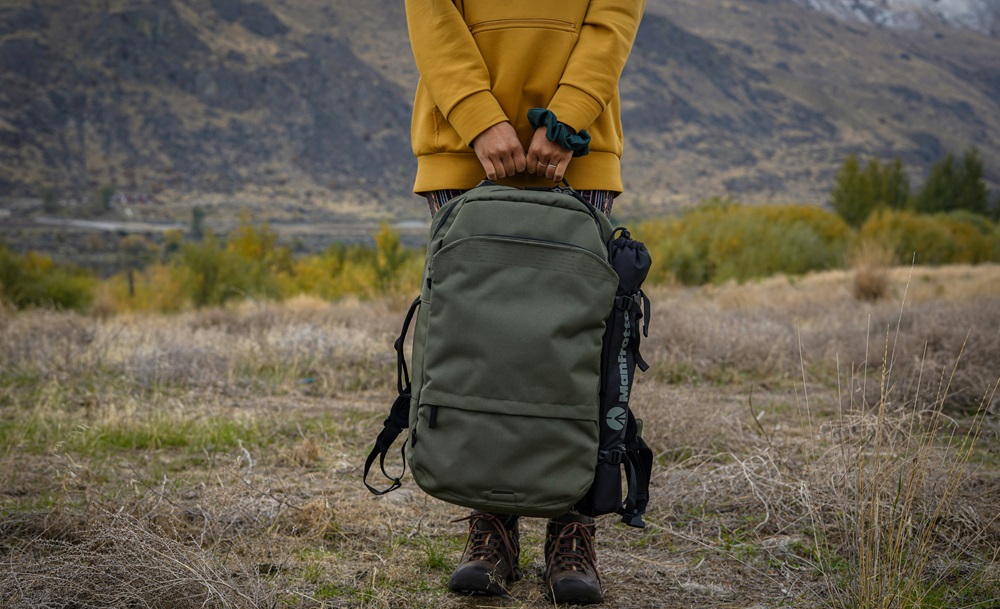
Carrying a poorly packed daypack can turn your dream trip into a nightmare of shoulder aches and back pain. Research from the American Physical Therapy Association shows that improper backpack weight distribution causes over 14,000 hiking-related injuries annually.
When you master daypack backpacks travel techniques, you’ll hike longer distances without discomfort and actually enjoy your adventures instead of enduring them.
What’s the Right Weight for Your Daypack?
Your daypack should never exceed 20% of your body weight for day hikes. For a 150-pound person, that means keeping your pack under 30 pounds. Most experienced hikers recommend staying closer to 15% of your body weight for maximum comfort.
The 10% rule works better for longer travel days when you’re walking on pavement or exploring cities. Your body handles weight differently on varied terrain, so adjust accordingly.
Pack weight matters more than pack size. A 20-liter daypack stuffed with heavy items will hurt more than a 30-liter pack with lighter gear distributed properly.
How Should You Distribute Weight in Your Pack?
Heavy items belong close to your back in the middle section of your pack. This keeps the weight centered over your hips instead of pulling you backward.
Place your heaviest gear – like water bottles, camera equipment, or lunch – in the main compartment against the back panel. Medium-weight items go in front of the heavy stuff, while light items like rain jackets or extra clothing fill the outer areas.
Keep frequently used items in easily accessible pockets. You don’t want to unpack everything just to grab your phone or snacks.
Water deserves special attention. Two water bottles should sit in side pockets for easy access, while a hydration bladder (if you use one) goes against your back with the tube running over your shoulder.
Which Strap Adjustments Actually Matter?
Start with your hip belt – it should sit on your hip bones, not your waist. The hip belt carries 80% of your pack’s weight when adjusted correctly. If it sits too high or too low, your shoulders will do all the work.
Your shoulder straps should curve around your shoulders without gaps. Tighten them just enough to keep the pack stable, but don’t cinch them down hard. Over-tightened shoulder straps transfer weight from your hips back to your shoulders.
The sternum strap connects your shoulder straps across your chest. Position it about an inch below your collarbone and adjust it snug but not tight. You should breathe normally with it fastened.
Load lifter straps pull the top of your pack closer to your shoulders. Adjust them to a 45-degree angle from the pack to your shoulders. These small straps make a huge difference in how the pack feels during long hikes.
How Do You Balance Loads for Different Activities?
City walking requires different packing than mountain hiking. For urban exploration, keep your center of gravity higher since you’ll walk on flat surfaces. Heavy items can sit higher in your pack without causing balance issues.
Mountain hiking needs a lower center of gravity. Pack heavy items lower and closer to your back. This setup helps with stability on uneven terrain and steep climbs.
Photography gear creates unique challenges. Distribute camera equipment throughout your pack instead of loading one side. Use padded dividers to protect gear while maintaining proper weight distribution.
Multiple days of travel call for compression. Use packing cubes or compression sacks to keep clothing compact. Loose items shift during travel and throw off your pack’s balance.
What Common Mistakes Should You Avoid?
Hanging items outside your pack throws off balance and catches on branches. Everything should fit inside your daypack or attach securely to designated loops.
Many people pack too much water. One liter (about 2 pounds) covers most day hikes if water sources are available. Research your route and pack accordingly.
Wrong pack size causes problems. A pack that’s too small forces you to strap things outside. A pack that’s too large tempts you to bring unnecessary items.
Forgetting to adjust straps during your hike leads to discomfort. Your body changes throughout the day, and your pack should adapt. Loosen straps when resting and retighten before moving.

Frequently Asked Questions
How often should you adjust your pack during a hike?
Check your strap adjustments every hour or whenever you feel discomfort. Your body swells slightly during activity, and straps that felt perfect at the start might feel tight after a few miles.
Can you fix back pain from poor packing?
Stop and redistribute weight as soon as you feel pain. Move heavy items closer to your back and check that your hip belt sits properly on your hip bones. Prevention works better than trying to fix problems mid-hike.
What’s the difference between men’s and women’s packs?
Women’s packs typically have shorter torso lengths, curved shoulder straps, and hip belts shaped for wider hips. These differences affect how weight distributes, so choose a pack designed for your body type.
Proper daypack packing transforms hiking from an endurance test into genuine enjoyment. When you distribute weight correctly and adjust straps properly, you’ll cover more ground with less fatigue.
Remember that comfortable daypack backpacks travel starts with smart packing decisions, not expensive gear.
